
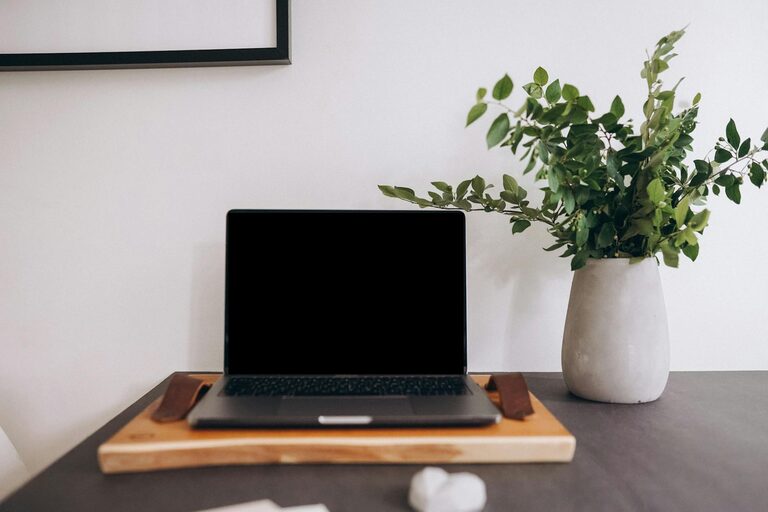
Creating an organized and productive home workspace is essential for anyone working or studying from home. A well-designed space can help you stay focused, reduce stress, and enhance your overall efficiency. Whether you have a dedicated room or just a corner in your living area, these simple tips will help you make the most of your home workspace.
Choose the Right Location
Finding the perfect spot for your workspace is the first step. Ideally, select a quiet area with minimal distractions. Near a window is great for natural light, which can improve your mood and focus. Avoid spaces with heavy foot traffic or noisy appliances to maintain concentration.
Invest in Comfortable Furniture
Comfort is key when working for long hours. A good ergonomic chair supports your back and encourages good posture, reducing the risk of discomfort or injury. Pair it with a desk at the right height so you can work comfortably. If space allows, opt for a desk with storage to keep essentials close at hand.
Keep Your Desk Clutter-Free
Clutter can lead to distraction and reduce productivity. Make an effort to maintain a clean and organized desk. Use trays, file holders, or small containers to keep supplies like pens, paperclips, and sticky notes tidy. At the end of each day, take a few minutes to clear your workspace.
Use Smart Storage Solutions
Maximize your space with smart storage options. Shelves, drawers, or filing cabinets can help store documents and materials neatly. Labeling storage containers or folders makes it easier to find things quickly, saving time and frustration.
Organize Digital Files
Your physical space isn’t the only part that benefits from organization. Keep your computer files and emails well-organized with clear folders and regular clean-ups. This reduces time spent searching for information and ensures a smoother workflow.
Incorporate Good Lighting
Lighting plays a vital role in productivity. Natural light is ideal, but if that’s limited, invest in proper task lighting. A desk lamp with adjustable brightness helps reduce eye strain and keeps you alert, especially during late work hours.
Minimize Distractions
Design your workspace to minimize distractions. This might mean silencing your phone, turning off non-essential notifications, or using noise-cancelling headphones. A distraction-free environment supports focus and efficiency.
Personalize Your Space Moderately
Adding a few personal touches such as a plant, a photo, or artwork can make your workspace inviting and reduce stress. However, avoid overcrowding your desk with too many items which can create visual clutter.
Establish a Routine and Set Boundaries
An organized workspace is only part of being productive. Establish consistent work hours and communicate boundaries with family or housemates to respect your focus time. Having a clear start and end to your workday helps maintain balance.
Take Regular Breaks
Finally, remember to take breaks. Short pauses throughout the day can refresh your mind and prevent burnout. Use these moments to stretch, hydrate, or briefly step outside for fresh air.
—
Setting up an organized and productive home workspace doesn’t require a complete overhaul. Small changes and mindful habits can transform your area into a comfortable and efficient environment, helping you work better and feel more motivated every day.