
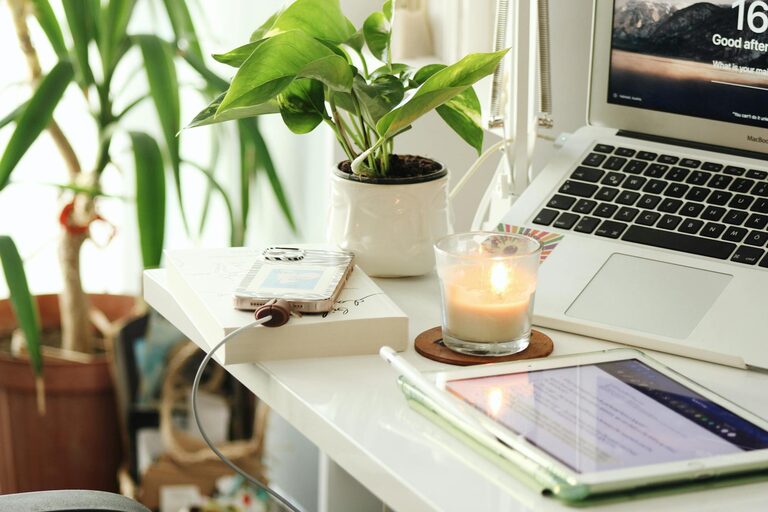
Creating a relaxing home workspace is essential for maintaining productivity and well-being, especially as remote work becomes more common. A well-designed space can help you stay focused, reduce stress, and make your workday more enjoyable. Whether you have a dedicated room or just a small corner, there are many ways to set up a workspace that promotes calm and efficiency.
Why a Relaxing Workspace Matters
Your environment greatly influences your mindset and performance. A cluttered, noisy, or uninspiring workspace can make it difficult to concentrate and increase feelings of anxiety. Conversely, a space designed for relaxation and focus can help you get into a productive flow, making tasks feel more manageable and less stressful.
Choose the Right Location
Quiet and Private
Select a spot in your home that is quiet and offers some privacy. Avoid high-traffic areas where distractions are common. If possible, choose a room with a door to minimize interruptions from family members or roommates.
Natural Light
Position your desk near a window to take advantage of natural light. Sunlight boosts mood and energy levels, improving focus. If natural light is limited, use full-spectrum bulbs that mimic daylight to keep your space bright and inviting.
Invest in Comfortable Furniture
Ergonomic Chair
A supportive chair is a must-have. Look for one with adjustable height, lumbar support, and comfortable padding. Sitting comfortably helps prevent back and neck pain, which can distract you from work.
Functional Desk
Choose a desk that fits your space and work needs. It should be large enough for your computer, notebook, and other essentials without feeling cramped. Standing desks or adjustable desks can also offer flexibility to change positions throughout the day.
Keep it Organized and Clutter-Free
Declutter Regularly
A clean workspace reduces mental clutter. Take a few minutes at the end of each day to tidy your desk and organize papers and supplies.
Use Storage Solutions
Incorporate shelves, drawers, or desk organizers to keep items out of sight but easily accessible. Label containers and folders to quickly find what you need.
Add Calming Elements
Personal Touches
Include items that make you feel relaxed and happy, such as photos, plants, or artwork. These personal touches create a welcoming environment.
Natural Elements
Plants not only beautify your space but can improve air quality and reduce stress. Low-maintenance plants like succulents or snake plants are ideal for busy workdays.
Color Scheme
Choose soothing colors such as blues, greens, or neutral tones. These hues can promote relaxation and reduce eye strain, making it easier to focus.
Control Noise and Distractions
Use Noise-Canceling Headphones
If you can’t avoid noise, noise-canceling headphones can help you concentrate. You can also listen to calm music or white noise to block distractions.
Set Boundaries
Communicate your work hours to family or roommates and ask for their support in minimizing interruptions during those times.
Manage Technology for Efficiency
Limit Notifications
Turn off non-essential notifications on your phone and computer to keep distractions at bay.
Cable Management
Use cable organizers to keep wires neat and prevent your desk from looking messy.
Incorporate Break Areas
Taking short breaks is important to maintain productivity. If space allows, create a small corner with a comfortable chair or cushion where you can relax for a few minutes.
Maintain Proper Lighting
In addition to natural light, invest in adjustable desk lamps that provide sufficient lighting without causing glare on your screen.
Practice Daily Habits for a Relaxing Workday
Stretch and Move
Stand up and stretch regularly to reduce muscle tension.
Stay Hydrated
Keep a water bottle at your desk to stay hydrated and maintain energy levels.
Set a Routine
Having a consistent schedule can help your mind separate work from relaxation time, improving focus during work hours and helping you unwind afterward.
—
Crafting a relaxing home workspace is a combination of thoughtful design, organization, and habits. By creating an environment that supports comfort and focus, you set yourself up for greater productivity and well-being throughout your workday. Start small, experiment with different ideas, and find what works best for you. Your workspace should be a place where you feel both calm and motivated.